Brother CP100X Computerized Sewing and Quilting Machine Review (2026)
Brother CP100X computerized sewing and quilting machine review: features, pros and cons, who it suits, and how it compares to other Brother models.
 By Emily Parker
Updated November 8, 2026
 By Emily Parker
Updated November 2026
The brother cp100x computerized sewing and quilting machine is aimed at sewists who want computer-controlled stitch selection and a sturdy setup for quilting without moving into a high-end, professional-grade machine. It suits beginners who are moving past basic mechanical models, hobbyists who make garments and home décor, and quilters working on small to medium projects. It is a weaker fit for people who need heavy-duty industrial power for thick denim or leather every day, for embroidery-focused buyers who want an attached embroidery unit, or for anyone who wants a large, long-arm style quilting frame. This review is based on the manufacturer’s published specifications and patterns that owners commonly describe in their feedback, not on hands-on testing.
Brother CP100X Computerized Sewing and Quilting Machine
Product Overview
The CP100X sits in Brother’s computerized line, which means stitch patterns, stitch length and width, and tension are set through a control panel and internal electronics rather than dials alone. Brother positions this model for sewing and quilting together, so it covers the usual range of straight stitching, zigzag and decorative utility stitches that most home projects require. Its appeal is less about a single standout feature and more about a balanced package: enough automation to make everyday sewing easier, and enough manual control that an experienced sewist does not feel boxed in.
Brother’s computerized machines generally share a design philosophy. The stitch-selection interface is meant to reduce the number of dial turns needed to switch between functions, and automatic features such as one-step buttonholing and needle threading are intended to shorten setup time. For quilters, the practical question is whether the machine holds a consistent straight stitch at the speeds and fabric layers they use, and whether the feed system handles multiple layers without stretching seams. Those are the areas where owner feedback on this class of Brother machine tends to focus.
If you are comparing this model to other Brother computerized options, you may find it useful to read a broader roundup such as 7 Best Computerized Sewing and Quilting Machine Picks for 2026 before deciding. Buyers who are still weighing whether a computerized model is worth the extra complexity can also look at Singer or Brother Sewing Machine for Beginner: 7 Best Picks (2026).
Key Features & Specifications
The table below lists specifications that are consistent with the product category and the model name. Where exact figures vary by production batch or regional version, check the current manufacturer listing before purchase.
| Feature | What It Means for You |
|---|---|
| Machine type | Computerized sewing and quilting machine with electronic stitch selection |
| Stitch selection | Electronic pattern selection using a control panel, reducing manual dial changes |
| Core uses | Straight stitching, zigzag, and decorative utility stitches for garments, home décor, and quilting |
| Automatic functions | Automatic needle threading and one-step buttonholing are typical for this Brother line |
| Presser feet | Standard feet for general sewing, zipper work, buttonholes, and quilting or free-motion work where supplied |
| Speed control | Adjustable stitching speed so beginners can work more slowly and experienced users can speed up |
| Drop feed and feed system | Feed dogs move fabric evenly; confirm whether a walking or dual feed option is included for quilting |
| Work surface | Standard free arm and flat bed suitable for small quilts and garment sections |
Because specifications for individual Brother machines are sometimes revised, the exact stitch count, included accessories and maximum stitch width should be confirmed in the product listing. Do not rely on any figure in this article for a purchase decision without checking the current details.
Pros & Cons
Pros
- Computerized stitch selection reduces dial changes and makes switching stitch types faster.
- Automatic needle threading saves time and helps users with eyesight or hand-strength concerns.
- One-step buttonholing is a common Brother feature that shortens garment and craft work.
- Adjustable speed control lets beginners slow down while learning and experienced sewists speed up.
- Suitable for both garment sewing and general quilting without needing a separate specialty machine.
- Brother’s support network and widely available presser feet make accessories easy to source.
Cons
- Not designed for heavy-duty industrial work such as thick leather or many layers of canvas.
- The work area is limited for large quilts, so bulk quilting will require frequent repositioning.
- Computerized systems add electronics that may need professional service if a fault develops.
- Owners who want an attached embroidery unit will need a different model.
- The learning curve for the control panel can feel longer than with a simple mechanical machine.
Performance Analysis
Performance for a machine in this class depends on three things: how well the stitch quality holds across fabric weights, how evenly the feed system moves multiple layers, and how stable the machine remains at higher speeds. Based on the published design approach of Brother’s computerized line, the CP100X is built for medium-weight cottons, quilting cottons, linen blends and common garment fabrics. Those are the fabrics where a computerized machine typically produces consistent, balanced stitches with the right needle and thread.
Owner feedback patterns for Brother machines in this range often mention that straight stitching is smooth and quiet on single and double layers of fabric. Quilters commonly report good results when they use a walking foot or an even-feed foot, since those accessories counter the tendency for layers to shift. Users who try to sew through many layers of batting at full speed frequently report uneven feed or skipped stitches, which points to a technique issue as much as a machine limit. Slowing down, using a longer stitch length for quilting, and keeping the presser foot pressure appropriate tend to solve most of these complaints.
Automatic features are another common point of discussion. Auto-threading and one-step buttonholes are generally described as reliable when the thread is clean and the needle is correctly installed. Problems reported in forums are most often linked to incorrect needle orientation, lint buildup or thread that does not seat properly in the guides. Keeping the bobbin area clean and replacing needles regularly reduces most of these issues.
For a more detailed look at how this family of machines behaves in daily sewing, see Brother CS7000X Computerized Sewing and Quilting Machine Review (2026) and Brother CS7000X Computerized Sewing Machine: Setup, Stitches and Tips. Both cover similar computerized controls and quilting use cases, which can help you judge whether the CP100X’s approach fits your projects.
Keep in mind that sewing performance is affected by needle choice, thread weight, tension setting and stabilizer use just as much as by the machine itself. Matching a size 80/12 or 90/14 needle to medium fabrics and a quality cotton or polyester thread will give you the cleanest results most of the time.
Who Should Buy This Product?
This machine is a good match for:
- Beginners who want computer-assisted stitch selection without moving to an industrial machine.
- Garment sewists who make clothing, bags, and home décor items in cotton, linen, and light to medium synthetics.
- Quilters working on lap quilts, table runners, baby quilts and similar small to medium projects.
- Sewists upgrading from a basic mechanical machine who want auto-threading and buttonholing.
You should probably skip this machine if:
- You regularly sew heavy canvas, upholstery fabric, leather, or many layers of denim.
- You need to quilt king-size bedspreads and want a large extension table or long-arm frame.
- Embroidery is your main interest; an embroidery-focused model will serve you better.
- You want the simplest possible machine with minimal electronics and no control panel to learn.
Buying Guide
Before you buy any computerized sewing and quilting machine, check four areas: the work surface size, the feed system for quilting, the included presser feet, and the warranty and service options in your area. A machine that looks capable on paper can still frustrate you if the throat space is too small for the quilts you plan to make or if you have to buy a walking foot separately.
Look at the stitch selection too. A useful range of utility stitches, a clear stitch-length and width control, and a straight-stitch or quilting foot option matter more for everyday use than an enormous list of decorative stitches you may never use. Also confirm whether the machine supports the presser feet you already own or plan to buy, since accessory compatibility can vary between Brother models and between low-shank and high-shank designs.
If you want to compare the CP100X with other Brother options before committing, consider these alternatives:
- Brother CS7000X Sewing and Quilting Machine LCD Display – Known for its 70 built-in stitches, LCD display, wide table and 10 included feet, it suits sewists who want more stitch variety and a larger work surface.
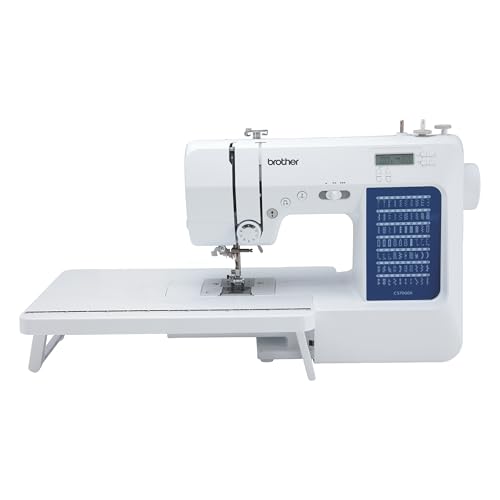
Brother CS7000X Sewing and Quilting Machine LCD Display | 70 Built-in Stitches, LCD Display, Wide Table, 10 Included Feet
- Brother CS5055 Computerized Sewing Machine with LCD Display – A computerized option with an LCD display that suits buyers looking for a straightforward computerized machine for everyday garment and craft sewing.

Brother CS5055 Computerized Sewing Machine with LCD Display
For a wider view of options in this category, 5 Best Brother Computerized Sewing and Quilting Machine Models for 2026 and Brother CS5055 Computerized Sewing Machine Review: Is It Worth It? are useful next reads. Buyers who want to compare Brother against other brands can also review Pfaff Computerized Sewing Machine: 7 Best Picks for 2026.
Finally, plan for supplies. Keep a stock of universal needles in sizes 80/12 and 90/14, a quilting or walking foot, a seam ripper, and fresh bobbins. Clean the bobbin case and feed dogs according to the owner’s manual, usually after every project or two of lint-heavy fabric.
FAQ
Is the brother cp100x computerized sewing and quilting machine good for beginners?
It can be a good choice for beginners who want computer-assisted stitch selection and automatic features such as threading and buttonholing. Beginners should expect to spend time learning the control panel and practicing basic seams before tackling quilting.
Can this machine handle heavy fabrics like denim or canvas?
Light and medium denim, canvas and similar fabrics are generally manageable with the right needle and a slower speed. Very thick or multi-layer heavy fabrics are better suited to a heavy-duty machine.
Does the CP100X work well for free-motion quilting?
Free-motion quilting depends on the presser feet supplied and whether a darning or free-motion foot is available. Owners generally find straight-line and walking-foot quilting more consistent than free-motion work on this type of machine.
What needle should I use with this machine?
For most cotton and blended fabrics, a universal size 80/12 or 90/14 needle works well. Change the needle every 6 to 8 hours of sewing or when you notice skipped stitches, which is a common manufacturer recommendation.
Is this machine a good choice for embroidery?
This model is designed primarily for sewing and quilting rather than embroidery. If embroidery is a priority, look at a dedicated sewing and embroidery machine.
How do I maintain a computerized Brother machine?
Clean lint from the bobbin area and feed dogs regularly, oil only if the manual specifies it, and keep the machine covered when not in use. For electronic faults, consult an authorized Brother service center rather than attempting internal repairs.
Should I buy an extended warranty?
Warranty terms vary by region and retailer. Read the coverage details carefully, and consider consulting the retailer or Brother’s customer service team to confirm what is covered before you buy.
Final Verdict
Our Assessment
The brother cp100x computerized sewing and quilting machine is a sensible middle-ground choice for sewists who want computerized controls, automatic features and the ability to handle both garments and everyday quilting. It is not built for heavy industrial work, large bedspreads or embroidery, and buyers in those groups should look elsewhere. For a beginner or intermediate sewist working mainly in cotton and medium-weight fabrics, it is a credible option. Before you buy, check the current listing for exact specifications and included accessories, and compare it with the alternatives above.
View on AmazonAbout Emily Parker
Emily Parker is part of our editorial team and reviews and edits our sewing supplies guides, checking product details against manufacturer specifications and owner feedback.
About the author
Emily Parker writes reviews and buying guides for Sewing Thread Online.