Computerized Sewing Machine vs Mechanical: Which Should You Choose?
Computerized sewing machine vs mechanical: compare stitches, ease of use, durability and cost of ownership to find the right machine for your sewing.
 By Emily Parker
Updated November 7, 2026
 By Emily Parker
The choice between a computerized sewing machine vs mechanical model comes down to how you sew. A mechanical machine suits sewists who want a simple, durable tool with dials they can read at a glance, and it often rewards repair-minded owners. A computerized machine suits people who want built-in stitch libraries, automatic buttonholes, one-touch settings and a bigger range of decorative options. If you sew mostly straight seams and hems, a mechanical model is hard to beat. If you sew a lot of varied projects or want help dialing in stitches, the computerized route is usually the better fit.
Computerized Sewing Machine vs Mechanical at a Glance
| Criteria | Computerized Sewing Machine | Mechanical Sewing Machine |
|---|---|---|
| Stitch selection | Large built-in library, often 100 or more stitches | Limited, usually a dial or lever with a modest set of stitches |
| Stitch settings | Digital display, automatic tension and length guidance on many models | Manual dials for length, width and tension |
| Buttonholes | Often one-step automatic buttonholes | Often manual or semi-automatic, with more hands-on steps |
| Ease for beginners | Easier to set up stitches correctly with on-screen prompts | Simpler controls, but more to learn for each stitch |
| Repair and maintenance | Electronics may need professional service | Mostly mechanical parts, which many owners can service themselves |
| Power and motor | Electronic speed control, often with a foot pedal | Direct motor with simpler speed control |
| Best for | Varied projects, decorative stitching, feature-rich sewing | Straight stitching, heavy use, long-term reliability |
Stitch Variety: Computerized Wins for Range
A computerized sewing machine stores its stitches in internal memory. Many models offer a wide set of utility, decorative and stretch stitches, and some let you combine or mirror them. You select a stitch with a button, and the machine sets the length and width for you. That makes it easier to try a blind hem, a zigzag or a decorative edge without hunting through a manual.
A mechanical sewing machine offers fewer options, typically a straight stitch, zigzag and a handful of utility stitches. For most garment and home-decor sewing, that is enough. The winner for stitch variety is the computerized machine, but the winner for simplicity of the core job is still the mechanical one.
Ease of Use for Beginners: Computerized Wins for Guidance
For a new sewist, the biggest advantage of a computerized machine is guidance. The screen shows which stitch is selected and what its settings are. Many models use presets so that a buttonhole or a satin stitch is set up correctly from the start. That reduces the number of wrong guesses that lead to skipped stitches or puckered seams.
Mechanical machines are straightforward once you learn them. There are fewer things to misread, and the dials are visible without a screen. Beginners who prefer tactile controls often find these machines calmer to use. Still, if you are asking which is easier to learn from scratch, the computerized model usually gets new sewists to a good result faster.
Durability and Repair: Mechanical Wins for Longevity
Mechanical sewing machines have fewer electronic parts, so there is less that can fail. Owners often report that older mechanical models keep running for decades with basic cleaning, oiling and occasional timing adjustments. Parts are generally simpler to find and replace, and many sewists handle repairs at home.
Computerized machines rely on circuit boards, sensors and displays. When they work, they work well, but a faulty board or screen may need professional service, which can be harder to get and less predictable. If you want a machine you can repair yourself for years, the mechanical model is the stronger choice. Check the manufacturer’s warranty terms before you buy, since they vary a lot by brand and model.
Buttonholes and Specialty Functions: Computerized Wins for Convenience
Automatic one-step buttonholes are one of the clearest advantages of a computerized machine. You place the fabric, press the button, and the machine sews the full buttonhole, usually with a sensor or foot that measures the button. Many computerized models also offer built-in features like needle up and down, thread cutters and programmable memory. These save steps on every project.
Mechanical machines can make buttonholes too, but the process is often more manual, with a dial or a separate buttonhole foot to adjust. That is not a dealbreaker, and many sewists are happy with it, but if you sew many garments with buttons, the computerized option will save time.
Speed, Power and Control: Tie
Both types can sew at useful speeds, and the right choice here depends on your fabric and project more than the machine type. Computerized machines often include electronic speed control, which can make slow, precise work easier, especially on curves or tricky seams. Mechanical machines also have adjustable speed through the foot pedal. Neither type automatically sews better through heavy layers. For thick fabrics like denim or canvas, look at motor strength and frame weight rather than the control system alone.
Which Should You Choose?
- Choose a computerized sewing machine if you want a large stitch library, automatic buttonholes and on-screen guidance while you learn.
- Choose a computerized sewing machine if you sew a wide range of projects, including decorative work, quilting and garments with lots of buttons.
- Choose a mechanical sewing machine if you mainly sew straight seams, hems and simple garments and want fewer things to go wrong.
- Choose a mechanical sewing machine if you prefer dials and a machine you can service yourself for years.
- Choose a mechanical sewing machine if you are working within a tight budget and do not need electronic features. Budget options exist in both categories, so compare specific models.
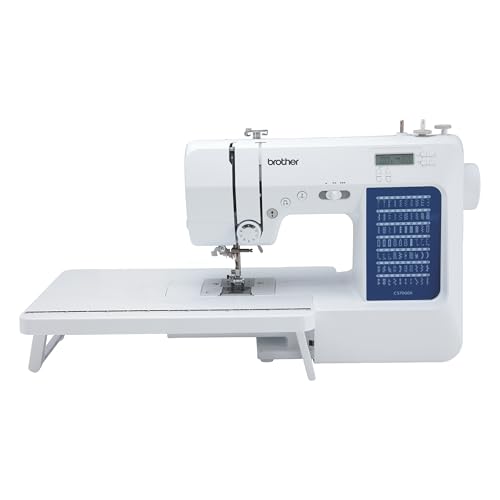
If you are looking at specific models, you can start with a computerized option such as the View on Amazon, which many owners describe as a good all-round machine for beginners. For a mechanical option, the View on Amazon is a commonly referenced sturdy model. Read each listing’s specifications and warranty details before you buy.
If you are still deciding on a first machine, these guides may help: 7 Best Beginner Computerized Sewing Machines for New Sewists (2026), Singer or Brother Sewing Machine for Beginner: Which Should You Choose?, Beginner Sewing Machine Kit: What to Look For and How to Start (2026) and Beginner Friendly Sewing Machine Picks for New Sewists (2026).
FAQ
Is a computerized sewing machine better than a mechanical one?
It depends on your sewing. Computerized machines offer more stitches, automatic buttonholes and on-screen guidance. Mechanical machines are simpler, often more durable and easier to repair. Neither is better for every sewist.
Are mechanical sewing machines harder to use?
Not necessarily. Mechanical machines have fewer controls, but each stitch setting is adjusted manually. Beginners who like visible dials often find them easy to learn, while those who want guided setup may prefer a computerized model.
Do computerized sewing machines break more often?
They have more electronic components, which can fail, and repairs may require a service center. Many owners report reliable performance, but mechanical machines generally have fewer parts that can go wrong.
Can a computerized sewing machine handle heavy fabrics?
Some can, but heavy-duty performance depends on the motor, frame and needle system, not just the control type. Check the manufacturer’s stated fabric and thickness ratings before sewing denim or canvas.
Which type is better for quilting?
A mechanical machine with a good straight stitch and a sturdy frame works well for piecing and straight-line quilting. A computerized machine adds decorative and free-motion options and is helpful if you want stitch variety. Both can quilt well.
Conclusion
Choosing between a computerized sewing machine vs mechanical model is really a choice between features and simplicity. A computerized machine gives you a large stitch library, automatic buttonholes and on-screen guidance, which helps varied projects and new sewists. A mechanical machine gives you a simpler, more repairable tool that handles straight sewing reliably for years. Decide based on the projects you sew most, how much you want to learn, and how much you value easy home repairs. Check current specifications and warranty details before buying, and compare specific models rather than the category alone.
Related reading
About Emily Parker
Emily Parker is part of our editorial team and reviews and edits our sewing supplies guides, checking product details against manufacturer specifications and owner feedback.
About the author
Emily Parker writes reviews and buying guides for Sewing Thread Online.