Riley Blake Confetti Cotton Thread Review: Who Is It For?
Reviewing the Riley Blake Confetti Cotton Thread pack: who should buy it, who should skip it, and how it compares with other 60wt cotton options.
 By Graham Fisher
Updated November 26, 2026
 By Graham Fisher
Updated November 2026
Riley Blake confetti cotton thread is a good fit for quilters and piecers who want fine, low-lint cotton thread in coordinating colors for patchwork and appliqué. It suits anyone sewing on cotton fabric who wants a tidy, lightweight seam. It is less suited to heavy denim, outdoor gear or high-speed serging, where a stronger or heavier thread will serve better. Read on for specifications, strengths, limits and alternatives.
Lori Holt Berry & Sage Thread Pack for Riley Blake Designs | 5 Spools of 60wt 100% Extra Long Egyptian Cotton Thread | Confetti Cotton Colors for Strawberry Crush Sew Along | 164 Yards Per Spool
Product Overview
This is a 5-spool pack of 60-weight, 100% extra long staple Egyptian cotton thread, designed to coordinate with Riley Blake fabric lines. The collection is styled by Lori Holt, and the colors are chosen to pair with quilting cottons. The thread is aimed at hand piecing, machine piecing and fine topstitching on lightweight to medium cotton fabrics.
Because the pack is a curated color set rather than a single shade, it works well for buyers who want a small, matched stash for a specific project rather than a full spool library. Owners commonly describe it as a gentle, easy-to-handle thread for detailed work.
Key Features & Specifications
| Feature | Detail |
|---|---|
| Thread weight | 60 wt (fine) |
| Fiber | 100% cotton |
| Cotton type | Extra long staple Egyptian cotton |
| Quantity | 5 spools |
| Color family | Berry and sage coordinating palette |
| Designer line | Lori Holt for Riley Blake Designs |
| Typical use | Piecing, appliqué, fine topstitching |
Pros & Cons
Pros
- Fine 60-weight build
- Extra long staple cotton fiber
- Coordinated color pack
- Suits detailed piecing work
- Pairs with Riley Blake fabrics
Cons
- Not suited to heavy fabrics
- Limited to five colors
- Fine weight needs careful tension
- Less strong than polyester
Performance Analysis
A 60-weight cotton thread sits at the fine end of the range, so it produces slim seams that lie flat on quilting cotton. Egyptian cotton with long staple fibers is generally smoother than shorter-staple cotton, which tends to reduce fuzz and lint. Owners often note that it feeds evenly and leaves little residue in the bobbin area when the machine is kept clean.
The trade-off is strength. Fine cotton thread has less tensile strength than heavier threads or polyester, so it can break under sudden tension, especially on multiple layers or thick seams. Using a sharp size 70/10 or 80/12 needle and a balanced tension setting helps reduce breakage. Test your settings on scrap fabric before committing to a finished piece.
Who Should Buy This Product?
This pack suits quilters working in Riley Blake fabric lines who want thread that matches the palette without buying full spools in each shade. It is a good match for piecing, appliqué and decorative topstitching on cotton. Hand quilters and wall-hanging makers will also find the fine weight easy to work with.
Skip this pack if you sew denim, canvas, upholstery or bags, or if you need a serger thread. Heavier or polyester threads will be more reliable in those cases. Buyers who need a large range of colors should look at a bigger spool collection instead.
Buying Guide
When choosing cotton thread for piecing, start with weight. Lighter threads such as 60 wt give a finer seam and less bulk, while 40 or 30 wt threads show more and hold up better for topstitching. Next, consider fiber. Long staple cotton is smoother and produces less lint than standard cotton. Finally, match the color to your fabric or choose a neutral that blends into the design.
Two well-known alternatives are worth comparing. The Cotton Confetti Threads Cream 60wt by Riley Blake offers a neutral cream shade in the same fine weight:
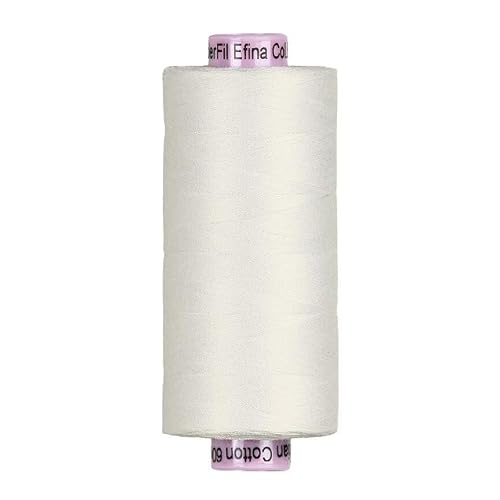
Cotton Confetti Threads Cream 60wt by Riley Blake
The Confetti Cotton Threads Off White 60wt RBTH-49557 is another option for buyers who want a soft off-white for light fabrics:

Confetti Cotton Threads Off White 60wt RBTH-49557
If you want to understand fiber differences before buying, Is Cotton Thread Better Than Polyester? Uses, Strengths and When to Choose Each explains where cotton performs best. For a broader look at strength, see Which Thread Is Stronger Cotton or Polyester (2026): Which Should You Choose? and Heavy Duty Cotton Thread (2026): Which Should You Choose? for heavier-duty options.
FAQ
Is this thread good for piecing quilts?
Yes. The fine 60-weight cotton produces flat, low-bulk seams that suit standard quilt piecing. Use a sharp size 70/10 or 80/12 needle and test tension on scrap fabric first.
Can I use it for serging?
This pack is intended for piecing and fine sewing rather than serging. Serger threads are typically heavier and built to handle high speeds, so a dedicated serger thread is the safer choice.
Will it break often?
Fine cotton is less strong than polyester, so breakage can happen under sudden tension or on thick seams. Balanced tension and a fresh needle usually reduce the problem.
Is it suitable for hand sewing?
Yes. The fine weight works well for hand piecing and hand appliqué, where a slim thread blends into the fabric and creates neat stitches.
Final Verdict
Is it worth buying?
For quilters who sew Riley Blake cottons and want a coordinated, fine cotton thread, this pack is a sensible choice. Its long staple cotton and 60-weight build suit detailed piecing and appliqué. It is not the right pick for heavy fabrics or serging, and buyers should expect some care with tension. Check the color selection against your project before ordering.
View on AmazonBefore you buy: helpful guides
Related reading
- What Is Best Thread Count for Cotton Sheets? 7 Best Picks (2026)
- Mettler Cotton Quilting Thread: A Step-by-Step Guide for Choosing and Using It
About Graham Fisher
Graham Fisher is part of our editorial team and reviews and edits our sewing supplies guides, checking product details against manufacturer specifications and owner feedback.
About the author
Graham Fisher writes reviews and buying guides for Sewing Thread Online.