7 Best Computerized or Regular Sewing Machines for 2026
Comparing computerized or regular sewing machines? See 7 picks by stitch count, ease of use, and fit for beginners, quilters and home sewists. Find your match.
 By Emily Parker
Updated November 10, 2026
 By Emily Parker
Updated November 2026
Choosing between a computerized or regular sewing machine comes down to how you sew, how often you sew, and how much you want the machine to handle for you. Computerized models store stitch patterns in a chip, offer LCD screens, and often include automatic needle threaders and one-touch buttonholes. Mechanical (regular) models rely on dials and a stitch selector, which many sewists find simpler to service and easier to learn. The picks below were compared on published specifications, brand reputation, stitch variety, included presser feet, table size, and the patterns owners commonly report, not on hands-on testing.
Our top picks at a glance
- 1TOP CHOICEBest overallBrother XR9550 Computerized Sewing and Quilting MachineView on Amazon
- 2
 TOP CHOICEBest for beginnersBrother CS5055 Computerized Sewing Machine with LCD DisplayView on Amazon
- 3
 TOP CHOICEBest for quiltingBrother CP100X Computerized Sewing and Quilting MachineView on Amazon
- 4
 Best for home sewists on a budgetSewLaVie 1130 Computerized Sewing and Quilting MachineView on Amazon
- 5
 Best for small spacesBrother Sewing Machine XM2701 PortableView on Amazon
- 6
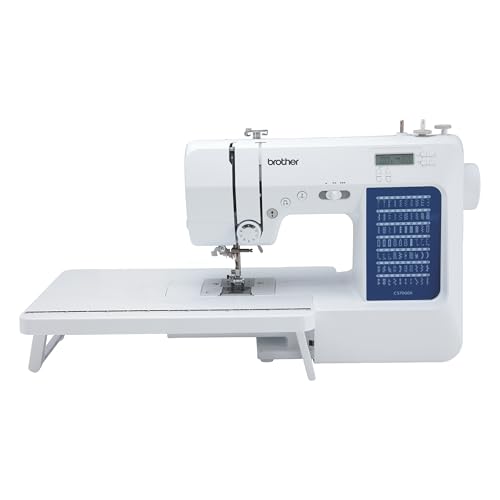 Best for wide-table workBrother CS7000X Sewing and Quilting MachineView on Amazon
- 7
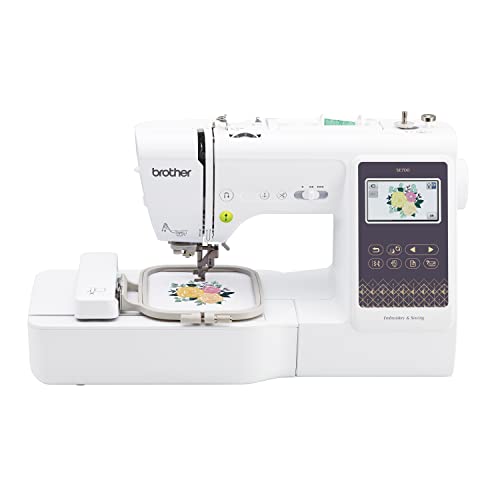 Best for embroidery add-onsBrother SE700 Sewing and Embroidery MachineView on Amazon
Our Top Picks
Quick Comparison
| Product | Best for | Key feature |
|---|---|---|
| Brother XR9550 Computerized Sewing and Quilting Machine | Overall versatility | 165 built-in stitches and 8 included presser feet |
| Brother CS5055 Computerized Sewing Machine with LCD Display | Beginners | LCD display with straightforward stitch selection |
| Brother CP100X Computerized Sewing and Quilting Machine | Quilting | Quilting-oriented stitch selection and feet |
| SewLaVie 1130 Computerized Sewing and Quilting Machine | Home sewists on a budget | 300 stitches with a large work surface |
| Brother Sewing Machine XM2701 | Small spaces | Lightweight body with auto needle threader and free arm |
| Brother CS7000X Sewing and Quilting Machine | Wide-table projects | 70 stitches with a wide table and 10 included feet |
| Brother SE700 Sewing and Embroidery Machine | Sewists who want embroidery | 135 built-in embroidery designs and a touchscreen |
Brother XR9550 Computerized Sewing and Quilting Machine
Brother XR9550 Computerized Sewing and Quilting Machine 165 Stitches | 165 Built-in Stitches, LCD Display, Wide Table, 8 Included Presser Feet
Best for: Overall versatility across garment sewing, home dec and quilting
This machine suits sewists who want one machine to cover most common projects without buying extra attachments. Its stitch count and included feet make it a practical all-rounder for someone moving from basic projects to more varied work.
Key specs
- 165 built-in stitches
- LCD display
- Wide table
- 8 included presser feet
Pros
- Large stitch library covers decorative and utility needs
- Included feet reduce the need for early accessory purchases
- Wide table helps with bulky fabric and quilt layers
Cons
- More features than a true beginner may use at first
- Larger footprint than compact portable models
Bottom line: A strong first pick for sewists who expect to try many techniques and want a computerized machine that grows with them.
View on AmazonBrother CS5055 Computerized Sewing Machine with LCD Display
Brother CS5055 Computerized Sewing Machine with LCD Display
Best for: Beginners who want computer-controlled stitches without a complicated interface
New sewists often find a screen-based stitch selector easier to read than a dial with many symbols. This model fits people who want guided stitch choices and a simple start.
Key specs
- Computerized stitch selection
- LCD display
Pros
- Clear screen makes stitch choices easier to follow
- Computer control reduces manual adjustment for common stitches
- Suitable for everyday mending and simple garments
Cons
- Fewer stitches than the larger models in this list
- Owners who outgrow it may want a machine with a wider stitch range
Bottom line: A sensible starting point for a beginner who wants a computerized machine and a readable display.
View on AmazonBrother CP100X Computerized Sewing and Quilting Machine
Brother CP100X Computerized Sewing and Quilting Machine
Best for: Quilters and sewists who piece and quilt regularly
Quilting puts more stress on a machine through thick layers and long seams. This model is aimed at people who sew quilt tops and bindings often and want stitch settings suited to that work.
Key specs
- Computerized stitch control
- Quilting-oriented stitch and foot selection
Pros
- Built with quilting workflows in mind
- Computer control helps keep stitch length consistent
- Good match for piecing and straight-line quilting
Cons
- Less suited to heavy garment work than a heavy-duty model
- Specialized features may go unused by general sewists
Bottom line: The right choice for a regular quilter who wants a computerized machine tuned for quilt-top work.
View on AmazonSewLaVie 1130 Computerized Sewing and Quilting Machine
SewLaVie 1130 Computerized Sewing and Quilting Machine with 300 Stitches | Ideal for various fabrics, clothes making & quilting. Best for home sewists. Large work surface, LCD & speed control
Best for: Home sewists who want a large stitch library on a budget
This machine is listed with 300 stitches and a large work surface, which makes it appealing for sewists who want variety without moving to a premium brand. Owners weighing value often compare its stitch count against more established names.
Key specs
- 300 stitches
- Large work surface
- LCD display and speed control
Pros
- Large stitch count for a wide range of decorative and utility work
- Large work surface supports bigger projects
- Speed control helps beginners work more carefully
Cons
- Less established brand recognition than Brother or Singer for service and parts
- Check local service options before buying
Bottom line: A good value-focused pick for home sewists who want many stitches and a generous workspace.
View on AmazonBrother Sewing Machine XM2701 Portable
Brother Sewing Machine, XM2701, Portable Sewing Machine, 27 Stitches | Easy sewing machine with 6 sewing feet, auto needle threader, and free arm for cuffs, sleeves, and pant legs
Best for: Small spaces, classes and occasional sewing
Not every sewist has a dedicated sewing room. This is a regular, non-computerized portable machine that is light enough to store in a closet and move to a class or friend’s house.
Key specs
- 27 built-in stitches
- 6 included sewing feet
- Auto needle threader
- Free arm for cuffs, sleeves and pant legs
Pros
- Portable and easy to store
- Free arm makes hemming and tubular sewing simpler
- Auto needle threader saves time and eyesight
Cons
- Fewer stitches than computerized models
- Limited for heavy quilting or thick denim
Bottom line: A practical regular machine for people who sew occasionally and need something compact.
View on AmazonBrother CS7000X Sewing and Quilting Machine
Brother CS7000X Sewing and Quilting Machine LCD Display | 70 Built-in Stitches, LCD Display, Wide Table, 10 Included Feet
Best for: Wide-table projects and sewists who want many included feet
The CS7000X pairs a computerized stitch selector with a wide table and a substantial set of included feet. It suits sewists who work on larger pieces and like to keep specialty feet on hand.
Key specs
- 70 built-in stitches
- LCD display
- Wide table
- 10 included feet
Pros
- Wide table supports larger garments and quilt sections
- Ten included feet cover many common techniques
- Computerized controls keep stitch selection straightforward
Cons
- Fewer stitches than the 165-stitch Brother XR9550
- Bulkier than compact regular machines
Bottom line: A solid middle-ground pick for sewists who want a wide table and a full set of feet without the largest stitch library.
View on AmazonBrother SE700 Sewing and Embroidery Machine
Brother SE700 Sewing and Embroidery Machine, Wireless LAN, 8 included Ft | Advanced & beginner sewing machine, 135 built-in embroidery designs, 103 stitches, 4" x 4" hoop, 3.7" touchscreen display
Best for: Sewists who want embroidery alongside regular sewing
This combination machine is for people who want to add monogramming and decorative embroidery to garments and home projects. It handles standard sewing too, so it does not require a separate embroidery unit.
Key specs
- 135 built-in embroidery designs
- 103 sewing stitches
- 4″ x 4″ embroidery hoop
- 3.7″ touchscreen display
- Wireless LAN
Pros
- Combines sewing and embroidery in one machine
- Touchscreen simplifies design selection
- Built-in designs reduce the need for separate files at first
Cons
- The 4″ x 4″ hoop limits design size
- Embroidery features add a learning curve for beginners
Bottom line: The best fit for sewists who want embroidery as well as a computerized sewing machine.
View on AmazonBuying Guide
Stitch Count and Stitch Types
Stitch count matters less than whether the stitches you need are present. Straight, zigzag, buttonhole and stretch stitches cover most garment work. Decorative and quilting stitches matter if you plan to use them. Computerized machines usually offer far more stitch options than regular models, which is useful if you change projects often.
Good picks for this: Brother XR9550, SewLaVie 1130
Ease of Use and Display
Dials are quick to learn but can be hard to read with many stitch symbols. An LCD screen shows stitch names and settings clearly. New sewists often prefer a screen, while experienced sewists may find a dial faster once familiar with the layout.
Good picks for this: Brother CS5055, Brother CS7000X
Table Size and Workspace
A wider table gives more support for quilts, bulky garments and home decor. Check the free arm dimensions as well. A free arm helps with tubular pieces like cuffs and pant legs, and a larger flat bed helps keep fabric from dragging.
Good picks for this: Brother CS7000X, Brother Sewing Machine XM2701
Use Case: Quilting Versus Garment Sewing
Quilting uses straight stitches over many layers, so look for a machine with a stable frame and a wide table. Garment sewing involves more stitch variety, buttonholes and fabric changes. Decide which you do most before comparing machines, since a quilting-focused model may not suit fashion sewing well.
Good picks for this: Brother CP100X, Brother XR9550
Included Presser Feet and Accessories
Count the feet included in the box. A zipper foot, buttonhole foot, walking foot and rolled hem foot are common needs. A machine with more included feet can save money on accessories later, and it lets you try techniques without extra purchases.
Good picks for this: Brother CS7000X, Brother XR9550
Portability and Storage
If you move your machine to classes or store it between projects, weight and size matter. Portable regular machines are easier to carry, while computerized models with large tables suit a permanent setup better.
Good picks for this: Brother Sewing Machine XM2701, Brother CS5055
Embroidery Capability
Embroidery is a separate skill from sewing and requires a hoop size, design library and a steady hand. Check hoop dimensions and whether built-in designs are enough for your projects before buying an embroidery-capable machine.
Good picks for this: Brother SE700
FAQ
Is a computerized sewing machine better than a regular one?
Not always. Computerized machines offer more stitch choices, automatic features and easier stitch selection on a screen. Regular machines are simpler, often easier to repair and sufficient for basic sewing. The better choice depends on the stitches and features you actually use.
Are computerized sewing machines harder to learn?
Many beginners find an LCD-based stitch selector easier than a dial with dozens of symbols. Some users, however, find the menus take time to navigate. A short practice session with the manual usually makes the controls clear.
Do computerized machines need more maintenance?
They contain electronic components, so they can be more complex to service than mechanical models. Routine care, such as cleaning lint from the bobbin area and changing needles, applies to both types. Check the manufacturer’s service guidance and local repair options before buying.
How many stitches do I need?
For basic garment sewing, a few dozen stitches are usually enough. Quilters and decorative sewists may want more. Focus on whether the machine includes the core stitches you need rather than the total count.
Can a regular machine do quilting?
Yes, a regular machine can handle straight-line quilting, provided it has a stable frame and suitable feet. A wide table and a walking foot help with multiple layers. Quilters who sew often may prefer a machine built specifically for quilting.
Is an embroidery machine the same as a sewing machine?
No. Embroidery machines use hoops and design files to place stitches in patterns. Combination machines like the Brother SE700 handle both sewing and embroidery, but embroidery features are an additional skill to learn.
How often should I service my sewing machine?
Follow the manufacturer’s manual. Many owners clean the bobbin area after each project and have the machine serviced every year or two if they sew often. Heavy use may call for more frequent service.
Conclusion
For most sewists, the choice between a computerized or regular sewing machine comes down to how much variety and automation you need. The Brother XR9550 is a strong all-round option with a large stitch library. The Brother CS5055 suits beginners who want a readable screen. The Brother CP100X fits regular quilters, while the SewLaVie 1130 offers many stitches for home sewists comparing value. The Brother XM2701 works well for small spaces, the Brother CS7000X suits wide-table projects, and the Brother SE700 is the pick for embroidery. Match the machine to the projects you actually plan to sew.
Sources
- Consumer safety guidance on electrical appliances and how to use household equipment safely (cpsc.gov)
- Information on energy use and efficiency for household appliances, useful when comparing power use (energy.gov)
- Background on repetitive strain and ergonomics for people who sew for long periods (nih.gov)
Related reading
- Singer Heavy Duty 6800c Computerized Sewing Machine: A Practical Guide (2026)
- Singer C7220 Computerized Sewing Machine: 7 Best Picks for 2026
- Shark Computerized Sewing Machine?
- Pfaff Computerized Sewing Machine: 7 Best Picks for 2026
- Mechanical or Computerized Sewing Machine for Beginner: 6 Best Picks (2026)
- Juki HZL-F600 Computerized Sewing and Quilting Machine Review: Is It Worth It?
About Emily Parker
Emily Parker is part of our editorial team and reviews and edits our sewing supplies guides, checking product details against manufacturer specifications and owner feedback.
About the author
Emily Parker writes reviews and buying guides for Sewing Thread Online.