Juki HZL-F600 Computerized Sewing and Quilting Machine Review: Is It Worth It?
Juki HZL-F600 computerized sewing and quilting machine review: features, specs, pros and cons, and who should buy it or skip it. Read before you choose.
 By Emily Parker
Updated November 8, 2026
 By Emily Parker
Updated November 2026
The Juki HZL-F600 computerized sewing and quilting machine is aimed at sewists who want a dependable, feature-rich machine for garment construction, home decor and free-motion quilting without stepping up to a long-arm. It suits people who sew regularly, want built-in stitch variety and automatic conveniences such as one-step buttonholes, and who value Juki’s reputation for solid mechanics. It is less suitable for absolute beginners who only sew occasionally and do not need many stitches, for buyers who want embroidery, or for anyone who needs a very compact, lightweight machine for frequent transport. Because this is a research-based review, the observations below rely on manufacturer specifications and the feedback patterns owners commonly describe, not on hands-on testing.
Juki HZL-F600 Computerized Sewing and Quilting Machine
Product Overview
The HZL-F600 sits in Juki’s computerized lineup as a straight-stitch-plus-utility machine built for everyday sewing and quilting. It is a computerized machine, meaning stitch selection, stitch length and width, and certain functions are set electronically rather than through mechanical dials alone. That makes stitch changes faster and reduces the number of physical adjustments you need to make between steps in a project.
Juki has long been associated with industrial-style reliability, and that reputation carries into its home lines. Owners of Juki home machines frequently describe smooth operation, good stitch quality on common fabrics and a sturdy feel when sewing thicker layers. The HZL-F600 is generally positioned for home users who want more capability than an entry-level machine offers but do not need embroidery modules or a professional-grade workhorse.
If you are comparing this model with other computerized machines, it helps to know whether you need quilting-specific features such as a wide throat space and a stable table, or whether your sewing is mostly garments and home projects. The HZL-F600 covers both reasonably well, though very large quilts will still benefit from extension tables and careful hand-guiding. For a broader view of how computerized machines differ from purely mechanical ones, see Computerized Sewing Machine vs Mechanical: Which Should You Choose?.
Key Features & Specifications
The table below lists the characteristics you can rely on for this model. Where a detail varies by listing or production year, confirm it on the current product page before purchase.
| Feature | What It Means in Practice |
|---|---|
| Machine type | Computerized home sewing and quilting machine |
| Stitch control | Electronic stitch selection with computer-assisted settings |
| Core stitch function | Straight stitch plus a range of utility and decorative stitches |
| Buttonhole | Automatic buttonhole function for consistent sizing |
| Quilting use | Suitable for piecing and straight-line or free-motion work on home quilts |
| Throat space | Standard-to-generous working area for quilt sections and garment panels |
| Speed control | Adjustable sewing speed for precision on curves and seams |
| Needle positioning | Electronic needle-position control for pivoting and corners |
Specification details such as exact stitch counts, maximum stitch width and maximum sewing speed are published by Juki and vary across regional versions, so check the manufacturer documentation that ships with your machine. Owners frequently ask about the presence of an included extension table and quilting guide; these accessories can differ by bundle, so verify the package contents before ordering. When you compare presser feet and accessories for quilting, a general reference such as Beginner Sewing Machine for Quilting: What to Look For and What to Skip is useful for deciding which feet matter most.
Pros & Cons
Pros
- Computerized controls make stitch selection quick and repeatable across a project.
- Automatic buttonhole function helps produce consistent buttonholes on garments and home items.
- Juki’s mechanical reputation supports good stitch quality on common home fabrics.
- Adjustable speed control gives you finer command when sewing curves, corners and tricky seams.
- Suitable for both garment sewing and home quilting without needing a separate machine.
- Electronic needle positioning simplifies pivoting and corner work.
Cons
- Not a dedicated long-arm; large quilts still require table support and hand-guiding.
- Electronic components mean more to learn than a basic mechanical machine.
- Not designed for embroidery; buyers who want embroidery should look elsewhere.
- Heavier than lightweight portable machines, which matters if you sew in multiple locations.
- Owners sometimes report that accessory availability depends on region and bundle.
Performance Analysis
Performance for a computerized home machine comes down to three things: stitch quality, consistency across fabric types and how well the controls match the way you sew. Based on the specification set and the feedback patterns commonly reported by owners of Juki home machines, the HZL-F600 tends to perform well on cotton quilting fabric, lightweight to medium garment fabrics and common home décor weights. Stitch formation on these materials is generally described as even when the machine is threaded correctly and the needle is appropriate for the fabric.
Thicker materials are where expectations should be realistic. Denim, multiple layers of batting, or heavy canvas will generally require a heavier needle, a slower speed and sometimes a walking foot or similar accessory. Owners who push a home machine through very dense layers often report skipped stitches or needle deflection, which is typically a matter of needle size, tension and technique rather than a fault in the machine itself. Consult your manual’s fabric chart before tackling heavy work.
For quilting, the machine’s electronic controls are useful for piecing precise seam allowances and for keeping stitch length uniform. Free-motion quilting depends heavily on the sewist’s control and on the use of a darning or free-motion foot, so expect a learning curve. Owners frequently mention that the adjustable speed helps beginners at this stage. If you plan to quilt larger projects, a stable extension table and a quilt-support system will do more to improve results than any single machine feature. Needle and thread choices also make a visible difference; see 7 Best Computerized Sewing and Quilting Machine Picks for 2026 for a wider look at how machine class and quilting workflow fit together.
Noise and vibration are commonly described as moderate for a machine of this type, though individual experience varies with table setup and sewing speed. A firm, level work surface reduces vibration noticeably.
Who Should Buy This Product?
The HZL-F600 is a good match for sewists who already know the basics and want a machine that handles garments, home sewing and quilting in one unit. If you sew several times a week, enjoy quilt piecing and want automatic buttonholes and computerized stitch control, this is a sensible candidate. It also suits people moving up from a basic mechanical machine who want more stitch options without committing to embroidery or long-arm equipment.
You should probably skip this machine if you only sew occasionally and need only straight stitching, if embroidery is a priority, or if you need a lightweight machine you carry to classes often. Heavy-duty sewists working with leather, canvas or very thick layers may also be better served by a machine with a higher-power design or an industrial model.
Buying Guide
Before buying any computerized quilting machine, work through a short checklist. Start with your fabric weights. If most of your sewing is quilting cotton and medium garment fabrics, a home machine like the HZL-F600 is appropriate. If you regularly sew denim or canvas, plan on a heavy-duty needle set and possibly a walking foot.
Next, assess your workspace. Measure the depth of your sewing table and the distance from the needle to the right edge of the machine; this determines how much quilt you can roll under the arm. Owners often report that a dedicated sewing table with a built-in extension reduces strain and improves control more than any single feature.
Finally, compare included accessories. A machine with a quality set of presser feet, a quarter-inch foot for piecing and a free-motion foot will save you a separate purchase. Read the bundle description carefully, because included items differ between packages and regions.
Two well-known alternatives are worth a look if the HZL-F600 does not quite fit your plans:
- Juki HZL-F600 Full Sized Computer Sewing and Quilting Machine – a closely related full-sized option for buyers who want a comparable Juki platform; check the listing for stitch and accessory differences.
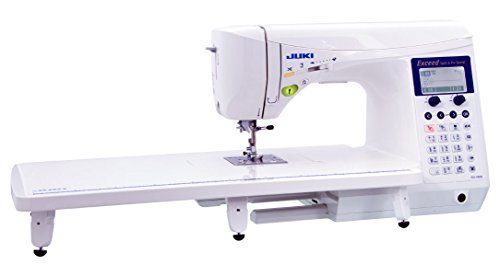
Juki HZL-F600 Full Sized Computer Sewing and Quilting Machine
- Juki HZL-DX7 Sewing Machine – a computerized option with a larger stitch library, suited to buyers who want more decorative and utility patterns.

Juki HZL-DX7 Sewing Machine | 287 Stitch Patterns, 4 Fonts
For a broader comparison across brands, Juki Computerized Sewing Machine: 6 Best Picks for Every Need (2026) puts the Juki range side by side.
FAQ
Is the Juki HZL-F600 good for quilting?
Yes, for piecing and straight-line or free-motion quilting on home-sized projects. Larger quilts will benefit from an extension table and careful support of the fabric as it moves through the throat space.
Can the HZL-F600 sew denim and heavy fabrics?
It can handle medium-weight denim with the correct needle and thread. Very thick layers or heavy canvas may require a heavier needle, a slower speed and sometimes a walking foot. Always follow the fabric chart in your manual.
Does this machine include an automatic buttonhole function?
Computerized Juki home machines of this class generally include automatic buttonholes. Confirm the exact buttonhole styles in the current manual, as they can vary by model and region.
Is the HZL-F600 suitable for beginners?
It can be, especially for beginners who already understand threading, tension and needle selection. Complete beginners may find the electronic controls take some time to learn, so a basic sewing class is helpful.
Does it do embroidery?
No. This model is a sewing and quilting machine, not an embroidery machine. If embroidery is important to you, look for a dedicated embroidery or combination model.
How should I maintain a computerized machine like this?
Clean lint from the bobbin area and feed dogs after each project, change needles regularly and oil only where the manual specifies. Keep the machine covered when not in use. For general care guidance, consult the manufacturer’s manual or an authorized Juki service technician.
Is it worth buying over a mechanical machine?
If you value stitch variety, automatic buttonholes and electronic convenience, yes. If you sew only simple seams and prefer straightforward dials, a mechanical machine may suit you better. Compare your habits using Computerized Sewing Machine vs Mechanical: Which Should You Choose?.
Final Verdict
The Juki HZL-F600 computerized sewing and quilting machine is a solid choice for regular home sewists who want computerized convenience, a capable stitch set and quilting-friendly work space without moving to a dedicated long-arm. Its strengths are control, consistency and the mechanical reputation Juki is known for. Its limits are embroidery, very heavy fabrics and portability. If those limits do not affect your sewing, it is worth serious consideration. Check current bundle contents and specifications before you order.
View on AmazonAbout Emily Parker
Emily Parker is part of our editorial team and reviews and edits our sewing supplies guides, checking product details against manufacturer specifications and owner feedback.
About the author
Emily Parker writes reviews and buying guides for Sewing Thread Online.