7 Best Sewing Machine Computerizeds: Top Picks for Every Need (2026)
Looking for the best sewing machine computerized? Compare seven models by use, features and owner feedback to find the right fit for your sewing.
 By Emily Parker
Updated November 8, 2026
 By Emily Parker
Updated November 2026
Choosing the best sewing machine computerized for your projects comes down to matching the machine to the work you do most. Beginners need simple controls and clear guidance. Quilters want a wide table and steady stitching at speed. Heavy-fabric sewists need a strong motor and a dependable feed. This guide compares seven computerized models against four criteria: stitch selection and built-in patterns, ease of use (screen, buttonholes, needle threading), work area and accessories, and the consistency of owner feedback about reliability.
Our top picks at a glance
- 1TOP CHOICEBest overallBrother XR9550 Computerized Sewing and Quilting MachineView on Amazon
- 2
 TOP CHOICEBest for beginnersBrother CS5055 Computerized Sewing Machine with LCD DisplayView on Amazon
- 3
 TOP CHOICEBest for home sewistsSewLaVie 1130 Computerized Sewing and Quilting MachineView on Amazon
- 4
 Best for quiltingBrother CP100X Computerized Sewing and Quilting MachineView on Amazon
- 5
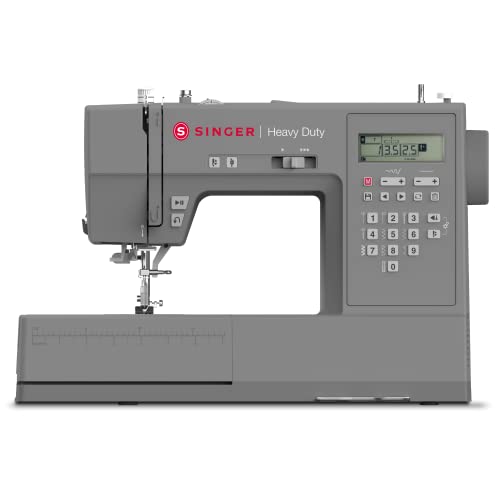 Best for heavy fabricsSINGER 6700C Heavy Duty Computerized MachineView on Amazon
- 6
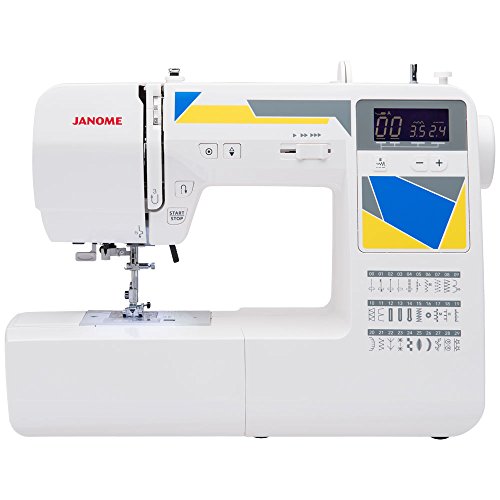 Best for dressmakingJanome MOD-30 Computerized Sewing MachineView on Amazon
- 7
 Best budget pickBrother CP2160F Computerized Sewing MachineView on Amazon
Our Top Picks
Quick Comparison
| Product | Best for | Key feature |
|---|---|---|
| Brother XR9550 Computerized Sewing and Quilting Machine | Overall versatility | 165 built-in stitches and a wide table |
| Brother CS5055 Computerized Sewing Machine with LCD Display | Beginners | LCD display with guided stitch selection |
| SewLaVie 1130 Computerized Sewing and Quilting Machine | Home sewists | 300 stitches with a large work surface |
| Brother CP100X Computerized Sewing and Quilting Machine | Quilting | Quilting-oriented stitching and table space |
| SINGER 6700C Heavy Duty Computerized Machine | Heavy fabrics | Heavy-duty motor with 411 stitch applications |
| Janome MOD-30 Computerized Sewing Machine | Dressmaking | One-step buttonholes and drop feed |
| Brother CP2160F Computerized Sewing Machine | Budget-conscious buyers | Advanced needle threading and auto-size buttonholes |
Brother XR9550 Computerized Sewing and Quilting Machine
Brother XR9550 Computerized Sewing and Quilting Machine 165 Stitches | 165 Built-in Stitches, LCD Display, Wide Table, 8 Included Presser Feet
Best for: Overall versatility across garments, home dec and quilting
This machine suits sewists who want one machine that handles most projects without frequent upgrades. Its stitch count and wide table make it a practical all-rounder.
Key specs
- 165 built-in stitches
- LCD display
- Wide table
- 8 included presser feet
Pros
- Wide range of stitch options for varied projects
- Wide table supports larger quilts and bulky pieces
- Included presser feet cover many common techniques
Cons
- Can feel large for very small workspaces
- Learning the full stitch menu takes some time
Bottom line: A strong first choice for sewists who want range and room to grow.
View on AmazonBrother CS5055 Computerized Sewing Machine with LCD Display
Brother CS5055 Computerized Sewing Machine with LCD Display
Best for: Beginners who want guided, simple operation
New sewists often find the stitch menu and threading steps intimidating. This model keeps the interface straightforward, which helps build confidence early on.
Key specs
- LCD display
- Computerized stitch selection
Pros
- Clear screen makes stitch selection easy to follow
- Good for learning basic seams and hems
- Simple controls reduce early frustration
Cons
- Fewer advanced stitches than higher-end models
- May outgrow for complex projects over time
Bottom line: Best for someone starting out who wants a calm, manageable machine.
View on AmazonSewLaVie 1130 Computerized Sewing and Quilting Machine
SewLaVie 1130 Computerized Sewing and Quilting Machine with 300 Stitches | Ideal for various fabrics, clothes making & quilting. Best for home sewists. Large work surface, LCD & speed control
Best for: Home sewists working on clothing and quilts
This model targets everyday home sewing, combining a generous stitch library with a large work surface for quilting and garment construction.
Key specs
- 300 stitches
- LCD display
- Speed control
- Large work surface
Pros
- Large stitch library for varied projects
- Speed control helps with precision work
- Large work surface supports quilting
Cons
- Brand has a smaller retail footprint than major names
- Service options may be more limited
Bottom line: A good fit for home sewists who want many stitches and a generous work area.
View on AmazonBrother CP100X Computerized Sewing and Quilting Machine
Brother CP100X Computerized Sewing and Quilting Machine
Best for: Quilters who want steady, open-table stitching
Quilting places heavy layers under the needle, so table space and stitch consistency matter. This Brother model is aimed at that workflow.
Key specs
- Computerized stitch selection
- Quilting-oriented design
Pros
- Designed with quilting workflows in mind
- Stable stitching on layered fabric
- Brand has broad owner support resources
Cons
- Not a heavy-duty machine for thick denim
- Fewer decorative stitches than larger-stitch-count models
Bottom line: Suited to quilters and quilt-focused sewists who value a stable, open work area.
View on AmazonSINGER 6700C Heavy Duty Computerized Machine
SINGER® 6700C Heavy Duty Computerized Machine with Accessory Kit | 411 stitch applications, lettering, touch button stitch selection, 1100 stitches/min,1-step buttonhole, LCD screen, LED light
Best for: Heavy fabrics such as denim, canvas and upholstery
Sewists working with heavy materials need a strong motor and a machine that holds steady under load. This model is built with that in mind.
Key specs
- 411 stitch applications
- Touch-button stitch selection
- 1100 stitches per minute
- One-step buttonhole
- LCD screen and LED light
Pros
- Strong performance on thick fabrics
- Large stitch library with lettering options
- One-step buttonhole saves time
Cons
- Higher stitch speed takes practice to control
- Heavier and less portable than basic models
Bottom line: The right pick for sewists regularly stitching heavy or layered fabrics.
View on AmazonJanome MOD-30 Computerized Sewing Machine
Janome MOD-30 Computerized Sewing Machine with 30 Built-In Stitches, 3 One-Step Buttonholes, Drop Feed and Accessories
Best for: Dressmaking and garment sewing
Garment work benefits from clean buttonholes and smooth feeding on lightweight to medium fabrics. This Janome model focuses on those essentials.
Key specs
- 30 built-in stitches
- 3 one-step buttonholes
- Drop feed
Pros
- One-step buttonholes simplify garment finishing
- Drop feed helps with free-motion and darning work
- Focused stitch selection keeps the menu simple
Cons
- Stitch count is modest compared with larger models
- Not designed for heavy-duty fabrics
Bottom line: A focused choice for dressmakers who want reliable garment features.
View on AmazonBrother CP2160F Computerized Sewing Machine
Brother CP2160F Computerized Sewing Machine with 60 Built-in Stitches | LCD Screen, Advanced Needle Threading System, 7 Auto-Size Buttonholes
Best for: Budget-conscious sewists who still want useful automation
Automation features like threading and buttonhole sizing save effort. This model brings those conveniences to a value-oriented machine.
Key specs
- 60 built-in stitches
- LCD screen
- Advanced needle threading system
- 7 auto-size buttonholes
Pros
- Advanced needle threading saves time
- Auto-size buttonholes are convenient
- Good stitch variety for the category
Cons
- Fewer stitches than premium models
- Lighter build may limit very heavy use
Bottom line: A sensible budget pick for everyday sewing with helpful automation.
View on AmazonBuying Guide
Stitch Count and Stitch Types
A higher stitch count offers more decorative and utility options, but the stitches you actually use matter more. Check for straight, zigzag, stretch, and buttonhole stitches first, then look at decorative extras. Manufacturers list stitch totals on product pages, so compare the categories rather than the raw number alone.
Good picks for this: SewLaVie 1130 Computerized Sewing and Quilting Machine, Brother XR9550 Computerized Sewing and Quilting Machine
Ease of Use and Display
An LCD screen and clear stitch menu shorten the learning curve. Look for guided threading, stitch previews, and simple speed controls. These features matter most if you are new to computerized machines.
Good picks for this: Brother CS5055 Computerized Sewing Machine with LCD Display, Brother CP2160F Computerized Sewing Machine
Motor Strength and Fabric Range
Check the manufacturer’s stated fabric range before buying. Lightweight machines handle cotton and jersey well, while heavy-duty models are built for denim, canvas and multiple layers. Using a light machine on thick material can strain the motor and cause skipped stitches.
Good picks for this: SINGER 6700C Heavy Duty Computerized Machine, Janome MOD-30 Computerized Sewing Machine
Work Area and Table Size
Quilting and large projects benefit from a wide, stable table. Measure your sewing space before buying, since a wide-table machine needs room on all sides. A larger work surface reduces drag on heavy fabric and makes straight-line quilting easier.
Good picks for this: Brother CP100X Computerized Sewing and Quilting Machine, Brother XR9550 Computerized Sewing and Quilting Machine
Buttonholes and Finishing Features
One-step and auto-size buttonholes save considerable time on garments. Check whether the machine offers multiple buttonhole styles and whether it sizes them automatically. Drop feed is also useful for free-motion work and darning.
Good picks for this: Janome MOD-30 Computerized Sewing Machine, Brother CP2160F Computerized Sewing Machine
Durability and Build Quality
Look at the frame material, the motor description, and the warranty terms in the manufacturer’s listing. Owner feedback often highlights whether a machine stays steady at higher speeds and holds up over years of use. Heavier machines generally feel more stable but are harder to move.
Good picks for this: SINGER 6700C Heavy Duty Computerized Machine, Brother XR9550 Computerized Sewing and Quilting Machine
Care, Maintenance and Support
Computerized machines need regular cleaning of the bobbin area and periodic oiling where the manual specifies. Choose a brand with accessible manuals and reachable customer support. Replacing a needle every 8 to 10 hours of sewing is a common guideline, though your manual’s schedule takes priority.
Good picks for this: Brother CS5055 Computerized Sewing Machine with LCD Display, Brother CP100X Computerized Sewing and Quilting Machine
FAQ
What makes a sewing machine computerized?
A computerized sewing machine uses a microprocessor and electronic controls to select stitches, adjust settings and sometimes automate threading or buttonholes. Stitch patterns are stored in memory rather than set by mechanical cams, which makes switching stitches faster.
Is a computerized sewing machine good for beginners?
Often yes. An LCD screen and guided stitch selection help new sewists learn faster. Simpler models with fewer stitches can be less overwhelming while you build basic skills.
How many stitches do I really need?
Most home sewists rely on a small set of utility stitches. Between 30 and 60 useful stitches cover most garment and home projects, while quilters and embroidery-minded sewists may want more options.
Can a computerized machine sew heavy fabric like denim?
Some can, but only heavy-duty models are designed for it. Check the manufacturer’s fabric guidance and use the correct needle size. Forcing thick layers through a lightweight machine can damage the motor.
Do computerized machines need more maintenance?
They need the same basic care as mechanical machines, including cleaning lint from the bobbin area and changing needles regularly. Electronic components should be kept dry and dust-free. Consult the manual or a qualified repair technician for any electrical issues.
How do I choose between two similar models?
Start with the stitches and features you will use every week. Then compare work area, buttonhole options and owner feedback about stability and support. A quick test sew of your common fabrics, if you can do one in a store, shows more than any spec sheet.
Conclusion
The best sewing machine computerized for you depends on your projects. The Brother XR9550 Computerized Sewing and Quilting Machine offers broad versatility, while the Brother CS5055 Computerized Sewing Machine with LCD Display suits beginners who want a guided start. For quilting, the Brother CP100X Computerized Sewing and Quilting Machine provides a stable, open work area, and the SINGER 6700C Heavy Duty Computerized Machine is the right choice for denim and canvas. Dressmakers will appreciate the Janome MOD-30 Computerized Sewing Machine, and budget-minded sewists can consider the Brother CP2160F Computerized Sewing Machine. The SewLaVie 1130 Computerized Sewing and Quilting Machine rounds out the list for home sewists who want a large stitch library. Match the machine to your most frequent project, and the choice becomes much clearer.
Sources
- Electrical product safety guidance and tips for using household appliances safely (cpsc.gov)
- Workplace and home-workshop electrical and equipment safety practices (osha.gov)
- Standards and measurement resources relevant to textile and mechanical equipment (nist.gov)
Related reading
- Singer C7220 Computerized Sewing Machine: 7 Best Picks for 2026
- Pfaff Computerized Sewing Machine: 7 Best Picks for 2026
- Fully Computerized Sewing Machine Buyer's Guide: 8 Best Picks for 2026
- Computerized Sewing Machine for Beginners: 8 Best Picks for New Sewists (2026)
- Computerized Sewing Machine Singer: 8 Best Picks for Every Need (2026)
- Brother HC1850 Computerized Sewing Machine: 5 Best Picks Compared (2026)
About Emily Parker
Emily Parker is part of our editorial team and reviews and edits our sewing supplies guides, checking product details against manufacturer specifications and owner feedback.
About the author
Emily Parker writes reviews and buying guides for Sewing Thread Online.