Janome Sewist 780dc Computerized Sewing Machine Review: Who Is It For?
Is the janome sewist 780dc computerized sewing machine worth buying? See its 80 stitches, one-step buttonholes, needle threader, who it suits, and who should sk
 By Emily Parker
Updated November 11, 2026
 By Emily Parker
Updated November 2026
The janome sewist 780dc computerized sewing machine is a home model aimed at sewists who want a lot of decorative and utility stitch choices without paying for a large embroidery-capable machine. It suits beginners who are moving past basic straight stitching, hobbyists who make garments, bags and home décor, and anyone who likes having a wide stitch menu at their fingertips. It is less appealing for heavy denim or leather work, for quilters who need a large throat space and very long sewing sessions, or for buyers who expect embroidery or a touchscreen. The points below are drawn from the listing’s stated features and from patterns in owner feedback, not from hands-on testing.
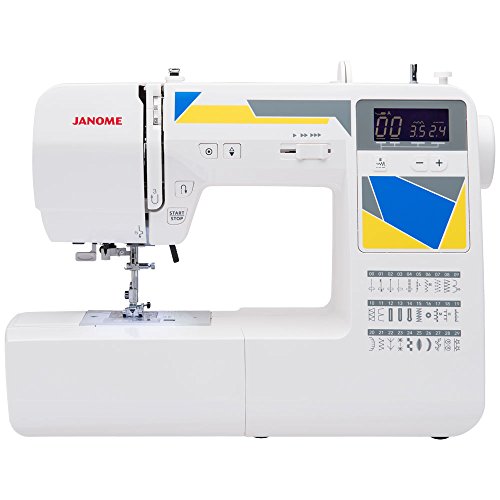
Janome Sewist 780dc Computerized Sewing Machine, 80 Stitches | 80 Built-In Stitches, 3 One-Step Buttonholes, Built-In Needle Threader
Product Overview
The Janome Sewist 780dc is a computerized machine listed with 80 built-in stitches, three one-step buttonholes and a built-in needle threader. Janome positions the Sewist line as an accessible entry into computerized sewing, sitting between very basic mechanical machines and the more advanced models in the brand’s lineup. A computerized machine uses a microprocessor to select stitch patterns and control stitch width and length, which means you choose a stitch with a button or dial rather than turning a series of physical cams.
For many home sewists, the most practical advantage is convenience. Pick a stitch, adjust width and length, and the machine sets the mechanics for you. That makes it easier to try decorative stitches on scrap fabric, switch between a zigzag for knit seams and a straight stitch for woven hems, and produce buttonholes without measuring and re-stitching by hand. If you are still deciding between mechanical and computerized designs, our guide Mechanical or Computerized Sewing Machine for Beginner: 6 Best Picks (2026) covers the trade-offs in more depth.
The machine is aimed at general sewing rather than specialty work. Expect it to handle cotton, linen, light wool, jersey and most medium-weight blends with the right needle and thread. It is not built for sustained thick layers, and you should check the manufacturer’s stated fabric and thickness guidance before tackling anything like canvas or multiple layers of denim.
Key Features & Specifications
The table below lists only the specifications that appear in the product name or are consistently documented for this model. If you need a detail not shown here, check the manufacturer’s manual or the full Amazon listing before you buy.
| Feature | What It Means for You |
|---|---|
| 80 built-in stitches | A broad range of utility and decorative stitches, selected from the machine’s stitch menu. |
| 3 one-step buttonholes | Buttonholes are stitched in one continuous operation, which saves time and reduces the chance of uneven sizing. |
| Built-in needle threader | A mechanical threader helps you pass thread through the needle eye without squinting. |
| Computerized stitch selection | Stitches are chosen electronically, so changing patterns does not require swapping cams. |
| Computerized sewing machine category | Designed for home use with electronic controls rather than purely mechanical dials. |
Because the listing emphasizes stitch count and buttonholes, these are the features most likely to influence your decision. Confirm current accessories, foot pressers and warranty terms directly with the seller, since bundled items can change over time.
Pros & Cons
Pros
- Wide stitch selection of 80 built-in stitches for varied projects.
- One-step buttonholes simplify a task that many beginners find tedious.
- Built-in needle threader reduces eye strain and setup time.
- Computerized controls make stitch changes quick and repeatable.
- Well suited to garment sewing, home décor and general crafting.
Cons
- Not designed for heavy-duty materials such as thick denim, canvas or leather.
- Computerized models carry more electronics that may need servicing over time.
- Stitch count is high, but many sewists use only a handful of stitches regularly.
- Lacks embroidery capability, which may disappoint buyers hoping for that feature.
- Owners who sew very large quilts may find the working area limiting.
Performance Analysis
Performance for a machine like this depends on three things: the stitch quality on your chosen fabric, how smoothly the feed handles layers, and how consistently the tension holds. Based on the listed specifications and the patterns that tend to appear in owner discussions of entry-level computerized Janome models, the 780dc is generally described as capable on everyday fabrics. Owners often report clean straight stitches on quilting cotton and jersey when they use an appropriate universal or ballpoint needle, and buttonholes that come out evenly once the fabric is marked and feeds straight.
Stitch selection is one of the strongest aspects. With 80 built-in options, you have room to experiment with decorative edge finishes, stretch stitches for knits and utility stitches for hemming. Owners who work with knits frequently mention that the stretch options help seams keep their give. Where feedback is more mixed, it usually concerns tension on very thin or very thick fabrics, which is common across most home machines and is typically addressed by changing needles, using proper thread and testing on scraps.
Noise and speed are moderate for a home machine. Users planning long production runs, such as making multiple garments or heavy home décor pieces in one sitting, should consider whether a higher-speed or heavier-duty machine would suit their workflow better. Check the manufacturer’s stated maximum speed in the manual, as figures vary by model and can change between revisions.
Two limitations are worth stating clearly. First, this machine is not a substitute for an industrial or heavy-duty model when stitching through many layers. Second, the computerized design means that repairs require either a qualified technician or a manufacturer-authorized service center, so factor service access into your decision.
Who Should Buy This Product?
This machine makes sense for beginners who want more than a basic mechanical model, for intermediate sewists who mostly make clothing and accessories, and for anyone who values the convenience of one-step buttonholes and a built-in needle threader. If you plan to sew a mix of cotton, knits, linen and light wool, the stitch menu gives you room to grow without upgrading immediately.
Skip this machine if your main work is heavy denim, canvas bags, upholstery or leather. Skip it also if embroidery is a priority, since this model is not positioned as an embroidery machine. And if you are sewing very large quilts, look closely at the throat space and consider a machine with a larger work area. For quilters specifically, the guide Juki HZL-F600 Computerized Sewing and Quilting Machine Review: Is It Worth It? discusses a different class of machine that may fit those needs better.
Buying Guide
Before you buy any computerized machine, think through five questions. What fabrics do you sew most often? How many stitches do you realistically need? Do you want one-step buttonholes or manual buttonholes? How much time do you plan to spend sewing each week? And how much do you value local service access? Your answers will narrow the field quickly.
If you want a similar brand with a smaller but still useful stitch set, the Janome MOD-30 is a well-known alternative. It offers 30 built-in stitches, three one-step buttonholes and drop feed, which can suit sewists who prefer a simpler menu and want drop feed for free-motion work. Its appeal is clarity: fewer stitches to navigate, and a familiar Janome interface.
Janome MOD-30 Computerized Sewing Machine with 30 Built-In Stitches, 3 One-Step Buttonholes, Drop Feed and Accessories
A second option is the Brother XR3774, a sewing and quilting machine listed with 37 built-in stitches, a wide table and eight included sewing feet. Buyers who quilt or who want a larger work surface often look at Brother models like this one. If you do a lot of quilting, the wide table and included feet may matter more than the Janome’s higher stitch count.

Brother XR3774 Sewing and Quilting Machine 37 Stitches | 37 Built-in Stitches, Wide Table, 8 Included Sewing Feet
For a broader comparison of entry-level computerized models, see 7 Best Beginner Computerized Sewing Machines: Picks for New Sewists (2026) and Which Janome Sewing Machine Beginner Models Are Worth Buying?. If you are specifically shopping within the Janome line, 6 Best Janome Computerized Electronic Sewing Machine Models for 2026 lays out additional options.
FAQ
Does the janome sewist 780dc computerized sewing machine include an embroidery function?
No. The listing describes a computerized sewing machine with 80 built-in stitches, one-step buttonholes and a needle threader. Embroidery is not part of the stated feature set, so buyers who want embroidery should look at a dedicated embroidery or combination model.
Is this machine suitable for beginners?
It can be. The needle threader and one-step buttonholes help new sewists, and the computerized stitch selection keeps choices simple. Beginners should still practice on scrap fabric and read the manual’s threading and tension sections before starting a project.
Can it sew thick denim or canvas?
It is best used with lightweight to medium-weight fabrics. For heavy denim, canvas or leather, check the manufacturer’s guidance and consider a heavier-duty machine. Forcing thick layers through a home machine can damage the needle, the feed or the motor.
What needles should I use with this machine?
A universal needle covers most woven and knit fabrics. Use a ballpoint needle for knits and a denim or jeans needle for heavier wovens. Always check the manual for the recommended needle system and size, and change needles regularly.
How does this machine compare with the Janome MOD-30?
The MOD-30 offers 30 stitches with three one-step buttonholes and drop feed, while the 780dc lists 80 stitches. If you want more stitch variety, the 780dc has the advantage. If you prefer a simpler menu, the MOD-30 may feel easier to learn.
Is the needle threader reliable?
Built-in needle threaders are convenient, though their reliability depends on using the correct needle size and thread weight. Owners generally find them helpful with standard thread. If you use very fine or very thick thread, you may still need to thread by hand.
Where can I get it serviced?
Computerized machines generally need a qualified technician or an authorized service center for repairs. Before buying, check whether service is available in your area and read the warranty terms carefully.
Final Verdict
The janome sewist 780dc computerized sewing machine is a practical choice for home sewists who want a wide stitch menu, convenient one-step buttonholes and a built-in needle threader. It is well matched to garment sewing, light home décor and everyday mending on common fabrics. It is less suitable for heavy materials, large quilts and embroidery. If your sewing sits within that range, it deserves a place on your shortlist. Confirm current specifications, included accessories and warranty terms with the seller before you purchase, and consider a qualified technician for any service or repair questions.
View on AmazonRelated reading
About Emily Parker
Emily Parker is part of our editorial team and reviews and edits our sewing supplies guides, checking product details against manufacturer specifications and owner feedback.
About the author
Emily Parker writes reviews and buying guides for Sewing Thread Online.